How to Move Your Office in Philadelphia Without Losing a Day of Work
A complete guide to planning your Philadelphia office move — COI requirements, elevator access, IT coordination, and how to move over a weekend without disrupting your business.
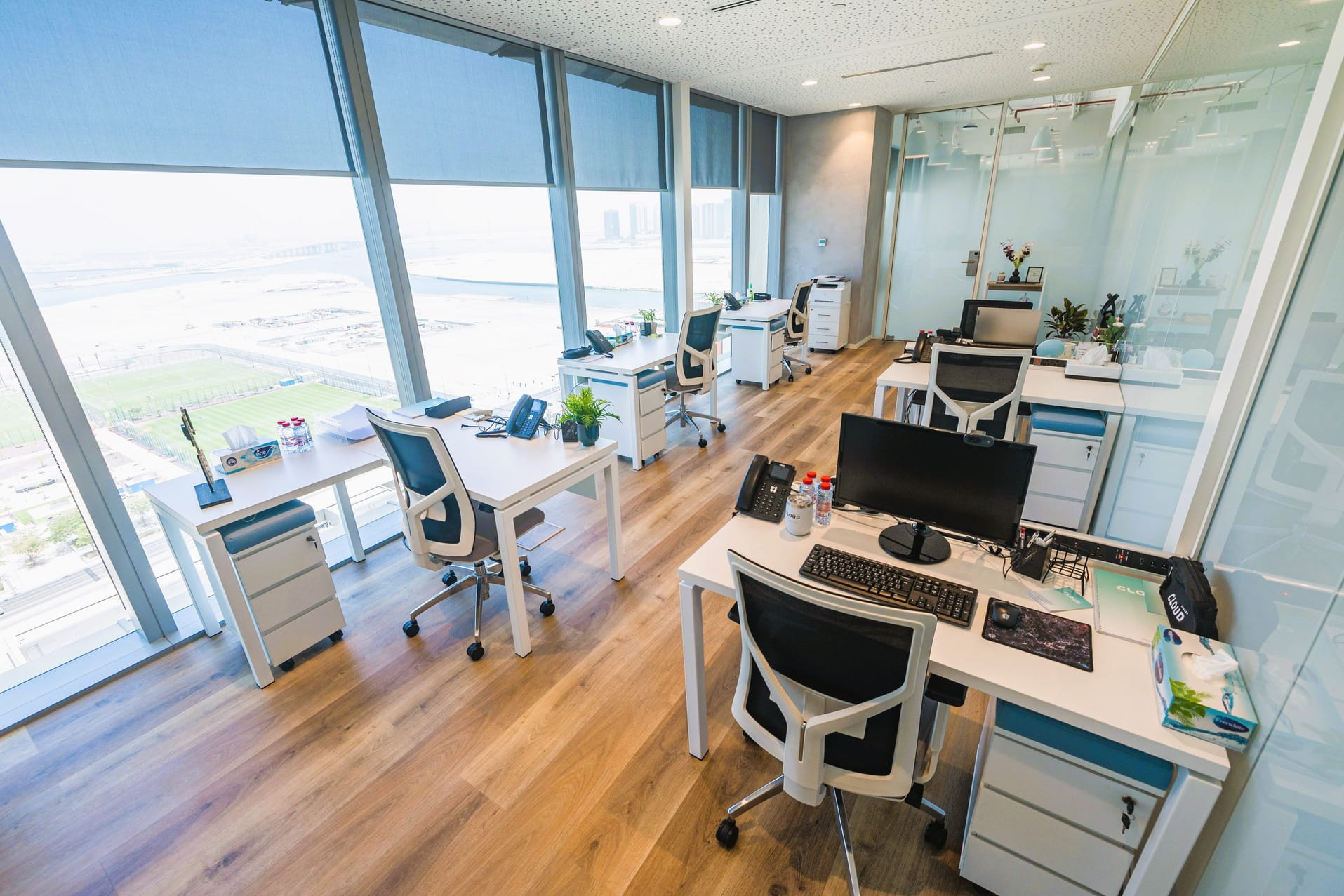
An office move in Philadelphia is a different animal than a residential move. You have employees, equipment, IT infrastructure, client-facing obligations, and a business that can't afford to go dark for an extended period. Done right, an office move runs over a weekend and the team is operational again Monday morning. Done poorly, it bleeds into the week — and every day of downtime has a real cost.
Moverama handles commercial moves throughout Philadelphia. This guide walks through how to plan an office relocation the right way: the timeline, the logistics, the things most businesses overlook, and how to make sure the move itself is the least disruptive part of the process.
Start Planning 6–8 Weeks Out (Minimum)
Most office move problems are planning problems. The businesses that come to us after a rough office move almost always trace the friction back to the same source: they started the logistics conversation too late. Six to eight weeks is the minimum lead time for a smooth commercial relocation. Here's why:
- COIs (Certificates of Insurance) for commercial buildings: Require specific language tailored to your building. Getting that language, having the insurance agent produce the certificate, and getting it approved by building management takes time.
- Elevator reservations and freight dock access: Need to be booked in advance with both your current and new building.
- IT coordination: Disconnecting and reconnecting servers, workstations, and network infrastructure takes more time than most businesses expect.
- Weekend moves: Need to be locked in on the calendar before the rest of the logistics can follow.
If at all possible, move over a weekend, not during the week. A well-planned weekend move means your employees walk into the new office Monday morning and get to work. A poorly timed weekday move disrupts operations, morale, and client commitments.
The Certificate of Insurance (COI) Process
This is the piece that surprises most businesses, especially if they haven't done an office move before.
Commercial buildings almost universally require a Certificate of Insurance from the moving company before allowing a move to take place. The catch: most buildings don't just need proof that the moving company is insured — they need the COI to include specific language written for their building, naming the building owner or management company as an additional insured, with specific liability minimums spelled out.
Here's how to handle it:
- Contact your building management team at both your current and your new address and request a sample COI from each. Most buildings have a template or set of requirements they'll provide.
- Send that sample to Moverama. Our insurance agent will produce the certificate with the exact language your buildings require.
- Submit the COI to both buildings for approval well before move day — ideally a week or more in advance.
Moverama has our own COI on hand and can provide it at the time of booking for buildings with standard requirements. For buildings with custom language, the process above applies. Plan for this early.
Elevator & Loading Dock Access
Don't assume elevator and dock access will be available when you need it. Commercial buildings manage these resources carefully, especially on weekends when other tenants may also be moving. Book both in advance with your current and new building's management team. Make sure you understand:
- What hours the freight elevator or service entrance is available
- Whether your building has restricted moving hours (many do — typically no moves before 8 AM or after 6 PM, or nothing on Sundays)
- What size truck can access the loading dock
- Whether a building representative needs to be present
Be sure to let Moverama know about any restricted moving hours when you confirm your date. We'll advise on the right approach and flag if any timing issues could affect the plan.
IT & Equipment Coordination
This is where many office moves lose the most time. Technology doesn't move itself, and reconnection is always more involved than disconnection.
Key steps to keep technology downtime to zero:
- Confirm IT staff or vendor availability for disconnect and reconnect
- Label every cable, monitor, docking station, and peripheral before the move
- Back up all servers and workstations before disconnect
- Arrange for internet/network service at the new location to be active before Monday
- Designate one person as the IT move lead — single point of contact for all tech questions
- Plan for a full IT reconnection day before employees arrive (typically Sunday)
Labeling & Inventory — The Thing Nobody Does Until It's Too Late
The single easiest thing you can do to make an office move faster and less chaotic: label everything before the movers arrive. Every box, every piece of furniture, every monitor and workstation should be marked with the destination room or department in the new space.
Create a floor plan of the new office in advance — even a simple one — and share it with your move coordinator and with Moverama. When every item has a destination, our crew can place things directly where they belong. When nothing is labeled, move day turns into a sorting exercise that adds hours to the job.
What Moverama Handles on Office Move Day
- Disassembly and reassembly of workstations, conference tables, shelving units, and other office furniture
- Safe transport of monitors, printers, and non-fragile office equipment (packaged by client)
- Freight elevator and dock coordination with building staff
- Placement of furniture in the new space per your floor plan
- Transport of file cabinets, storage, and common area items
We don't disconnect or reconnect IT infrastructure — servers, networking equipment, or workstations. Those need your IT team or a managed service provider. We also recommend that clients pack their own sensitive documents and small, fragile items.
Rates for Commercial Moves in Philadelphia
Commercial moves are priced similarly to residential moves, with hourly rates that depend on crew size:
- 2 movers: $150–$170/hr, all-inclusive
- 3 movers: $175–$200/hr, all-inclusive
Most office moves require at least 3 movers given the volume and timing requirements. For larger operations — multiple floors, large conference rooms, dense workstation layouts — we'll assess the scope during your estimate and recommend the right crew size. All rates include travel and fuel charges.
A Realistic Office Move Timeline
| When | Action |
|---|---|
| 6–8 weeks out | Book movers, confirm move-in date with new building, begin IT planning |
| 4–6 weeks out | Request COI requirements from both buildings, send to Moverama |
| 2–3 weeks out | Submit COI to buildings, reserve elevators and freight docks |
| 1 week out | Begin labeling, complete floor plan for new space, confirm IT timeline |
| Day before | Disconnect IT (or coordinate with IT team), final packing |
| Move day (Saturday) | Moverama crew arrives 8–9 AM, full move and placement |
| Next day (Sunday) | IT reconnection and setup at new location |
| Monday morning | Employees operational in new space |
"The key to a zero-downtime office move is locking in your weekend window and COI requirements weeks before move day. When the building logistics and labeling are done in advance, the physical move is smooth and the team is ready to work on Monday." — Moverama Commercial Moving Team, Philadelphia
Frequently Asked Questions About Office Moving in Philadelphia
Can you move us over a weekend?
Yes — weekend moves are our preference for commercial clients. Moving Saturday and Sunday gives us the time needed to complete the job without interrupting your business operations.
What if our new building has restricted moving hours?
Let us know the restrictions when you confirm your move date. We'll plan the schedule around them and flag any timing concerns before move day.
Do you provide packing for office moves?
Yes. Moverama offers full and partial packing services for commercial clients. If you'd like us to handle packing in addition to the move itself, mention it when you get your estimate — we'll build it into the plan.
When is the balance due?
The balance is due at the completion of the move.
How far in advance should we book?
For weekend moves, especially in spring and summer, 4–6 weeks of lead time is ideal. We do accommodate shorter timelines when availability allows — give us a call and we'll let you know what's open.
Relocating an office takes careful coordination, but with the right preparation and experienced movers, you don't have to lose a single day of business. Moverama has been moving businesses throughout Philadelphia since 2017. When you're ready, get in touch here or call us directly at (215) 420-0305.